
The Village of Williamsville will soon begin an invasive species management project in Glen Park aimed at controlling Tree-of-Heaven (Ailanthus altissima) and reducing conditions that support the spread of the invasive spotted lanternfly. The Glen Park Ailanthus Abatement Project is supported by a $30,000 grant from the New York State Department of Environmental Conservation’s Invasive Species Grant Program. The Village’s project was selected to map and control Tree-of-Heaven in Glen Park as a proactive measure to help prevent the establishment of spotted lanternfly. DEC’s grant program supports projects that prevent, detect and respond to invasive species and restore affected habitats throughout New York State
“Glen Park has always been a special place for our community. Protecting its natural beauty means being proactive about challenges like invasive species before they become much larger problems. This project is an investment in the long-term health of the park.”
-Mayor Christine Hunt
Project Schedule
Work will be performed by ECOS Cooperative, Inc. and is expected to begin in mid-August of 2026. Crews will work throughout Glen Park for several weeks to treat and manage Tree-of-Heaven in identified areas.
Removal of larger trees is currently anticipated to take place during the week of October 7. Visitors may notice crews, equipment and temporary signage in portions of the park while the project is underway.
What is Tree-of-Heaven?
Tree-of-Heaven is a fast-growing invasive tree that was introduced to the United States in the late 1700s. It spreads rapidly, crowds out native vegetation and can damage pavement, building foundations and other developed areas.
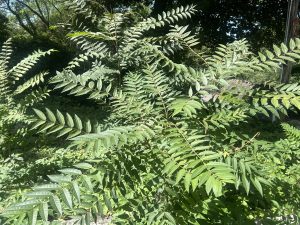
The tree can spread through both seeds and new shoots arising from its roots. Female trees are prolific seed producers, while cutting an untreated tree may stimulate additional root sprouts. For this reason, Tree-of-Heaven must be managed carefully rather than simply cut down.
What Is a Trap Tree?
Tree-of-Heaven is the preferred host of the invasive spotted lanternfly. As part of the Glen Park Ailanthus Abatement Project, approximately 90 percent of the identified Tree-of-Heaven will be removed. Select male trees, which do not produce seeds, will be temporarily retained as “trap trees” and treated using a targeted systemic herbicide. These trees will serve as monitoring points for the potential presence of spotted lanternfly. If spotted lanternflies are present, their natural attraction to Tree-of-Heaven may draw them to the trap trees, where they would be exposed to the treatment while feeding. The remaining trees will ultimately be removed as part of the project.
Residents may notice signs asking, “Why is this tree still standing?” These signs identify trees that have intentionally been left in place as part of the abatement strategy, not trees that were overlooked during removal.
Why Is the Spotted Lanternfly a Concern?
The spotted lanternfly is an invasive insect from Asia. It primarily feeds on Tree-of-Heaven but can also feed on grapevines, hops, maples, walnuts, fruit trees and other plants.
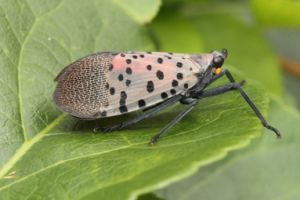
Spotted lanternflies feed on plant sap and can gather in large numbers. They also release a sugary substance known as honeydew, which may encourage the growth of sooty mold and create a sticky residue on plants, outdoor furniture, vehicles and other surfaces. Their potential effects on vineyards, agriculture, tourism and forest health make early detection and prevention especially important.
By controlling Tree-of-Heaven before a significant spotted lanternfly population becomes established, the Village is taking a proactive step to protect Glen Park’s native plant communities and the broader environment.
What Park Visitors Can Expect
Glen Park will remain open during the work unless temporary closures are needed for public safety. Visitors are asked to:
- Follow posted signs and avoid active work areas.
- Keep a safe distance from crews and equipment.
- Leave marked or treated trees undisturbed.
- Remain patient as work progresses over several weeks.
The Village appreciates the public’s understanding as this important work is completed. Updates will be shared through the Village website and social media as the project moves forward.